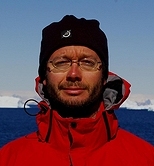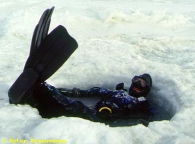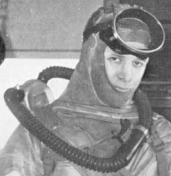
Peter Brueggeman
Principal Photographer & Project Initiator: Norbert Wu
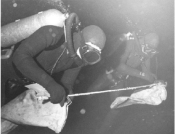
Photographs: Steve Alexander; Bill Baker; Isidro Bosch; Sam Bowser/S043 Archives; Jeffrey Bozanic; Rod Budd/Antarctica New Zealand; Peter Brueggeman; Kirsten Carlson/National Science Foundation; Kathleen Conlan/Canadian Museum of Nature; Bill Curtsinger; Paul Cziko; Paul Dayton; Guenter Foersterra; Bjørn Gulliksenda/UWPhoto ANS; Vreni Haeussermann; Shawn Harper; Luke Hunt; Henry Kaiser; Uwe Kils; Stacy Kim/ROV SCINI; Adam G. Marsh; Jim Mastro; Rowan McLachlan; Bruce A. Miller; Michael Oellermann; Eva Philipp; Mikhail Propp/UCSD Library; Kevin Raskoff; Hans Peter Reinthaler; Rob Robbins; Steven Rupp; Robert Sanders/Sam Bowser/S043 Archives; Dirk Schories; M Dale Stokes.